



Plan Faster with Toolio AI Agents
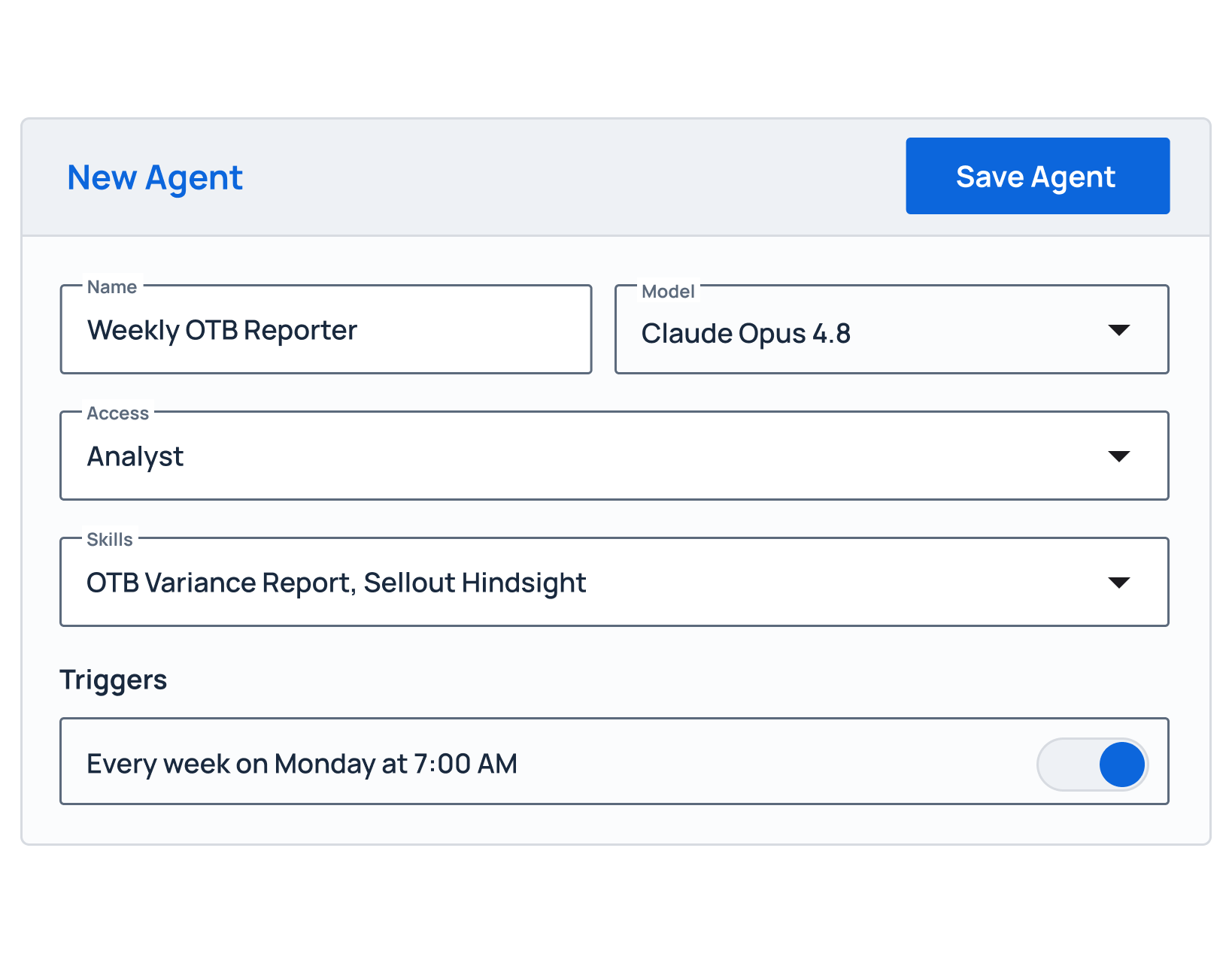
Agents break tasks into steps, check your live data, decide, and act automatically. Work that took weeks now takes minutes with you in the loop on every decision that matters.

AI Agent

Read

Learn

Analyze

Execute







and 100s more



Agents break tasks into steps, check your live data, decide, and act automatically. Work that took weeks now takes minutes with you in the loop on every decision that matters.
Pre-built AI agents, trained on a specific tasks, so your team ships accurate plans in a fraction of the time.
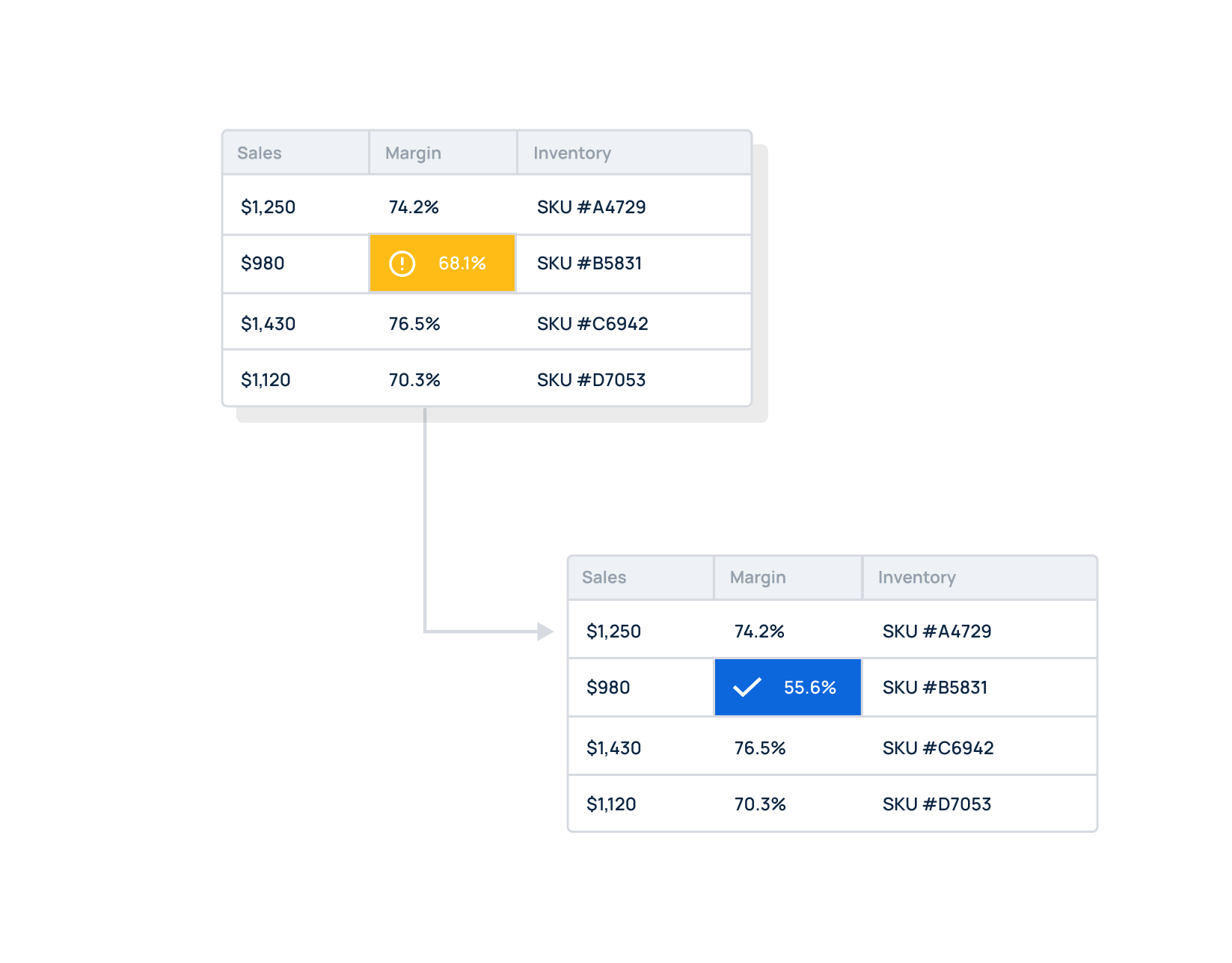
Data Agent scans your product master data, identifies anomalies, missing attributes, missclassified products, outdated values, recommends the fixes, and applies them with your approval.
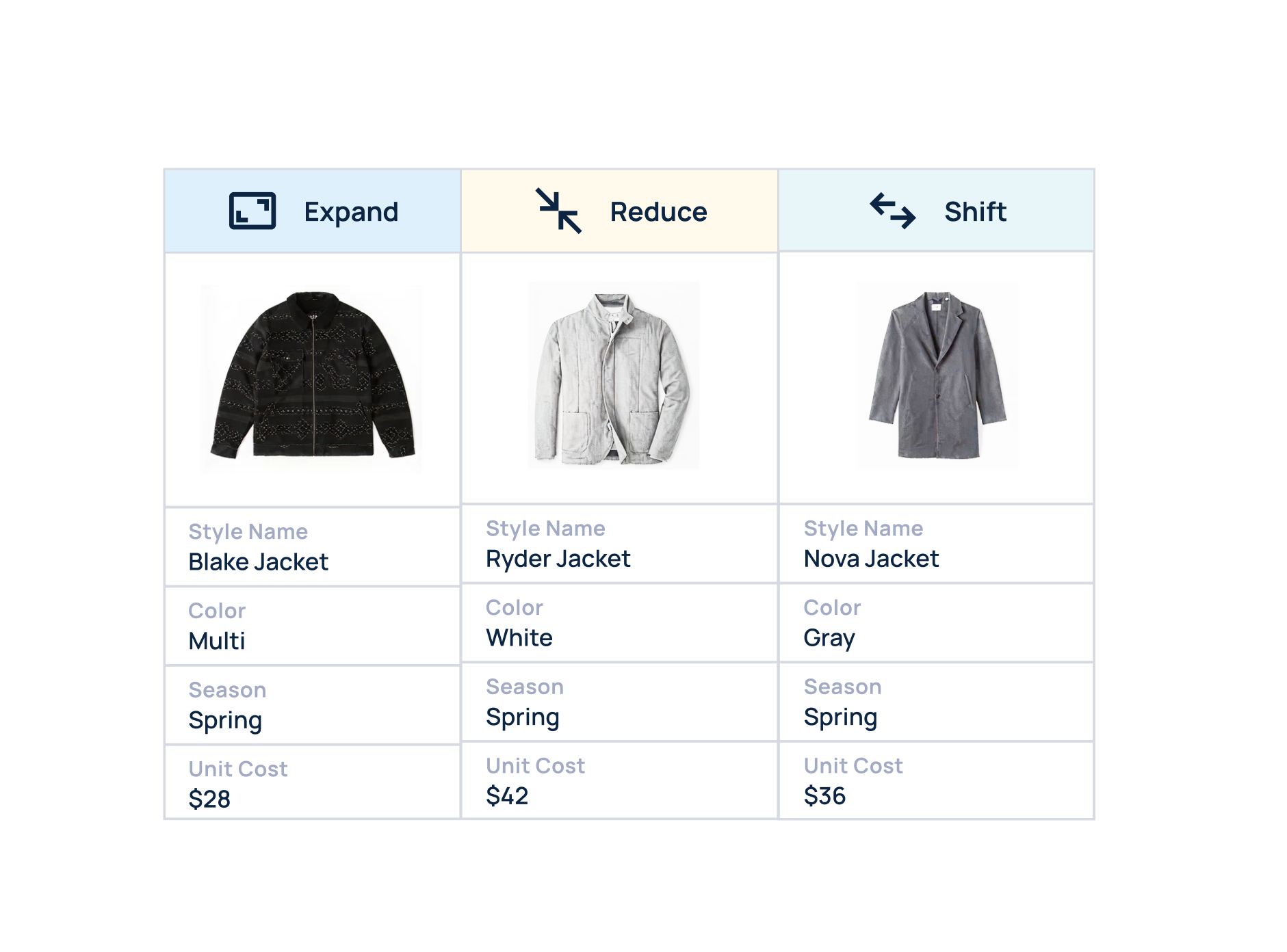
Opportunity Agent analyzes localized selling trends across your plan and pinpoints which products to add, remove, or shift by store, cluster, or channel and applies them with your approval.
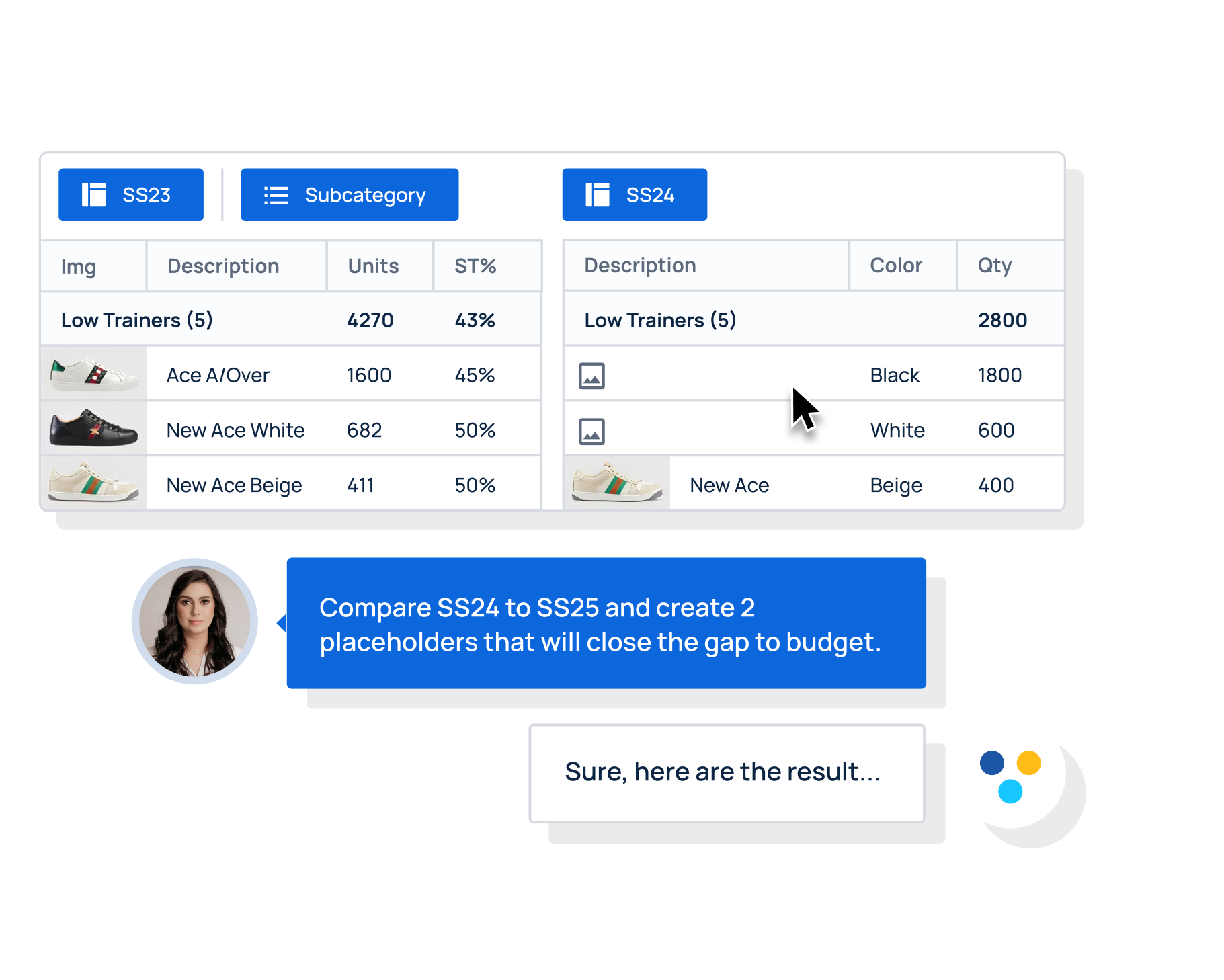
Generate visual assortment concepts using prompt-based inputs and historical context that align budgets, financial targets, and rationalization logic in a flexible, colloborative workspace.
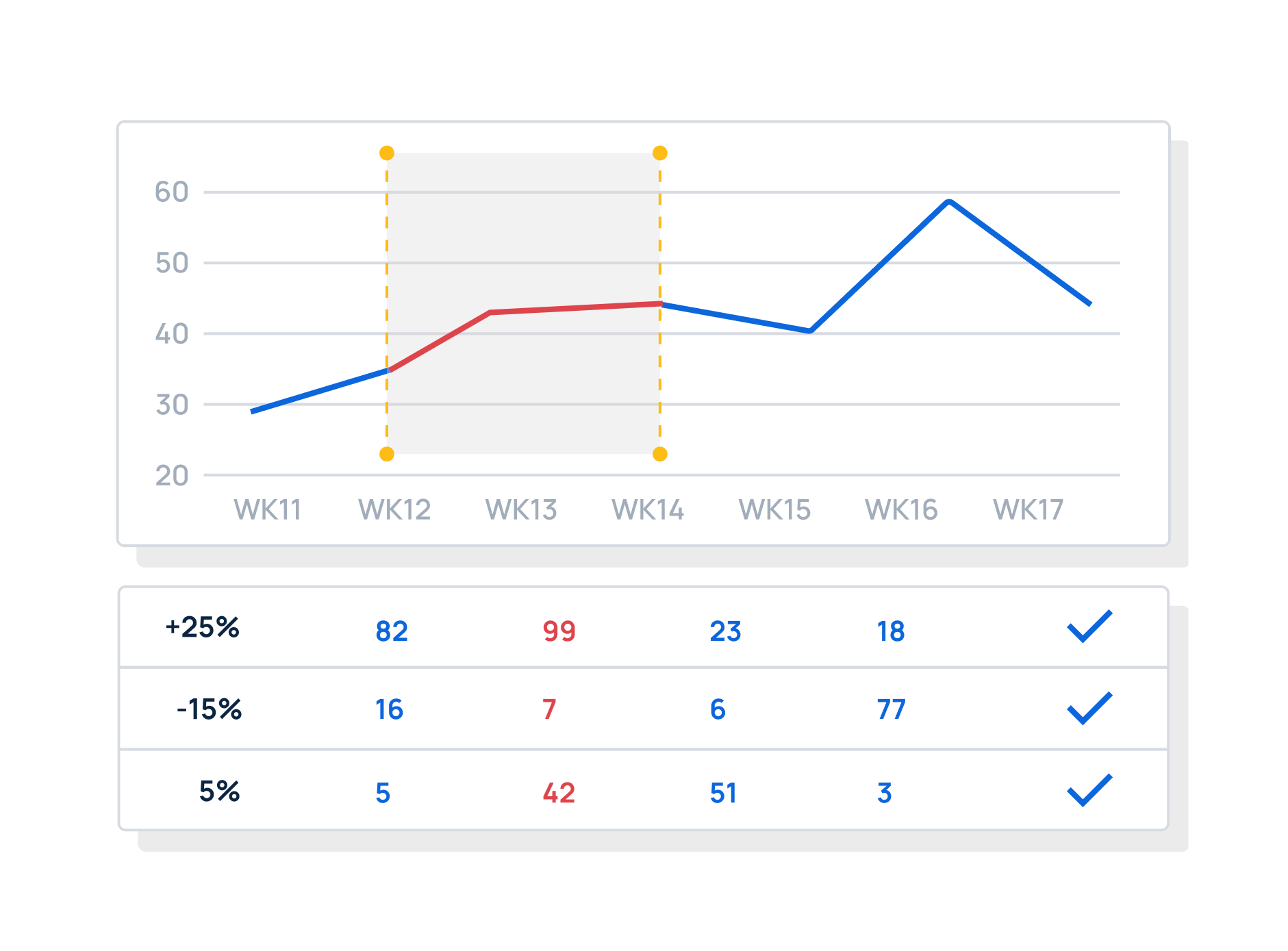
Instead of rebuilding plans from scratch, teams start with simulated outcomes, spending less time modeling and more time on strategy. Multiple plan scenarios ready to review on demand.
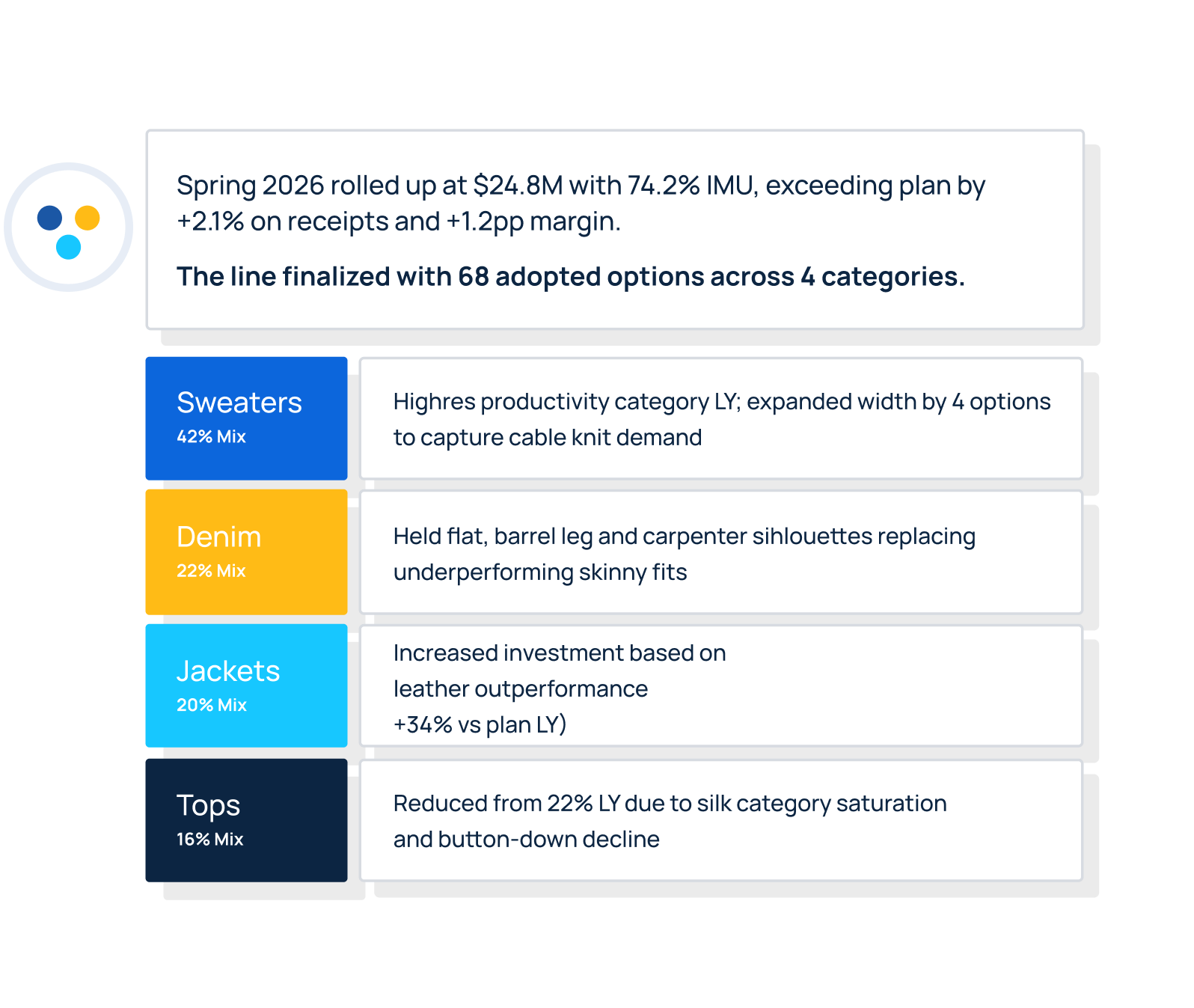
Presentation agent reads your live assortment plan and generates a clear narrative, key trends, changes from last year, alignment to budget goals, aslongside a visual lookbook.
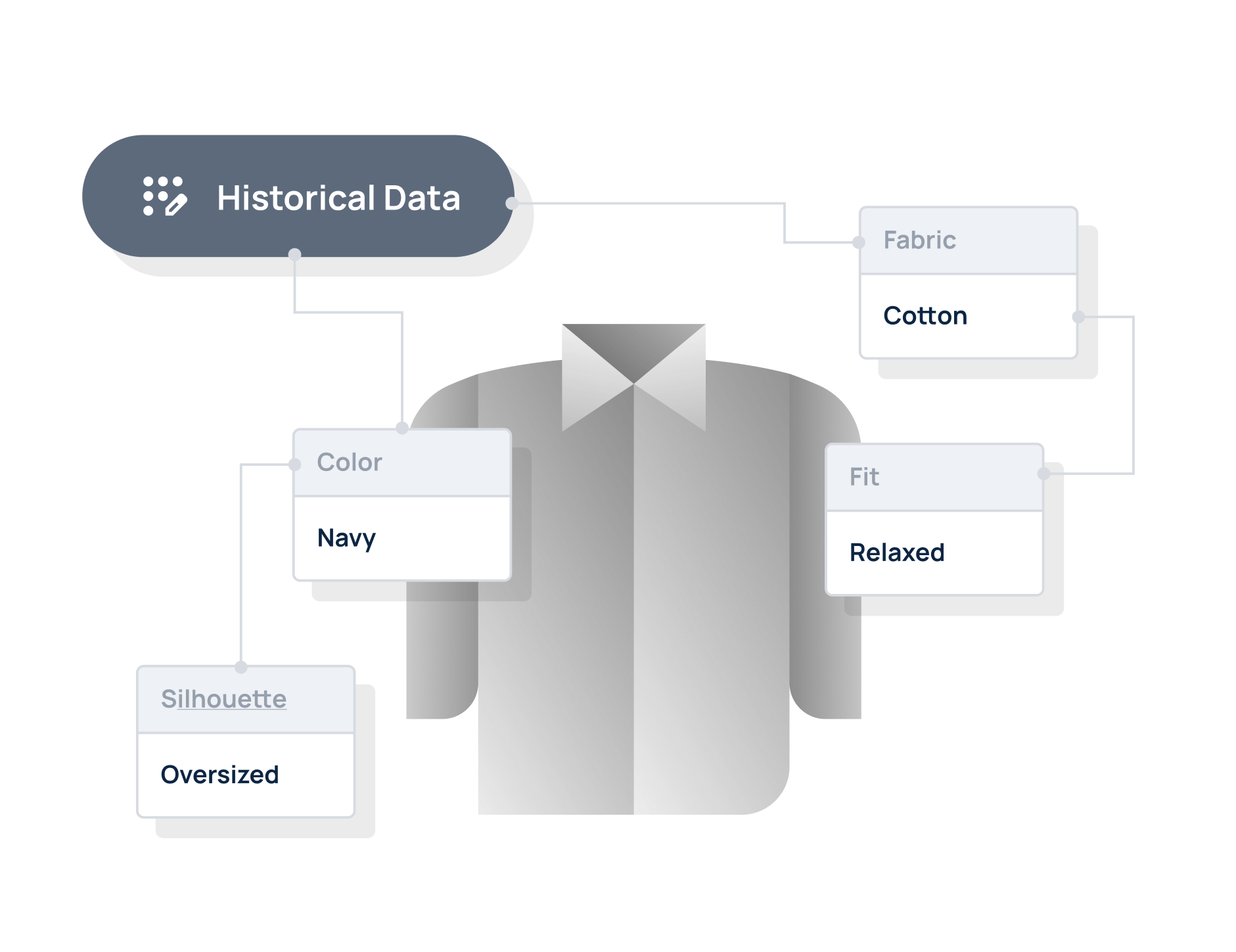
The Attribution Agent uses historical patterns and selling behavior to identify gaps and complete them, keeping your classifications accurate as your line changes.
01
02
03
04
No. Agents are built in to Toolio's platform. There is no new data model to build, no separate environment to stand up, and no parallel system to maintain. The six starter Agents read your existing hierarchy, actuals, and fiscal calendar the day you turn them on. Custom Agents are configured by your planning team inside Toolio, not scoped as an implementation. If your plan is live in Toolio, the work is already done.
Cleaning data is one of the first things agents do. They scan your product master data, surface the anomalies your team already suspects: missing attributes, misclassified products, and values that never got updated and recommend the fixes for your approval. Most teams start there for exactly this reason.
Every Agent shows its reasoning and models the impact before anything changes. You see the exception it found, the logic it applied, the data behind it, and the downstream effect of the fix across your plan. Then you decide. Nothing writes to your plan without an explicit approval from your team, and every committed decision carries full lineage, so you can trace who approved what and reverse it if the call changes.
Agents replace the digging, not the deciding. The work that disappears is the manual scanning, exporting, reconciling, and rebuilding that consumes most of a planner's week. What remains is the judgment your team is actually paid for: reading the exception, weighing the trade-off, and making the call. Your planners still own every decision that affects the plan.
You could build the models. The hard part is everything around them: reading your live plan across four planning modules, applying your planning logic, writing back into a governed system of record with approval controls and full lineage, and keeping all of it current as your hierarchy and calendar change. That is the platform Agents run on, and it is already built and maintained. Teams that build this internally spend their data science capacity on plumbing instead of on the retail problems only they can solve.


