

homepage icon
Toolio AI

AI that Empowers
‍Planning Teams

Toolio AI turns gut-feel buying into smart, data-backed decisions. Stock what sells, skip what doesn’t, and never miss a trend
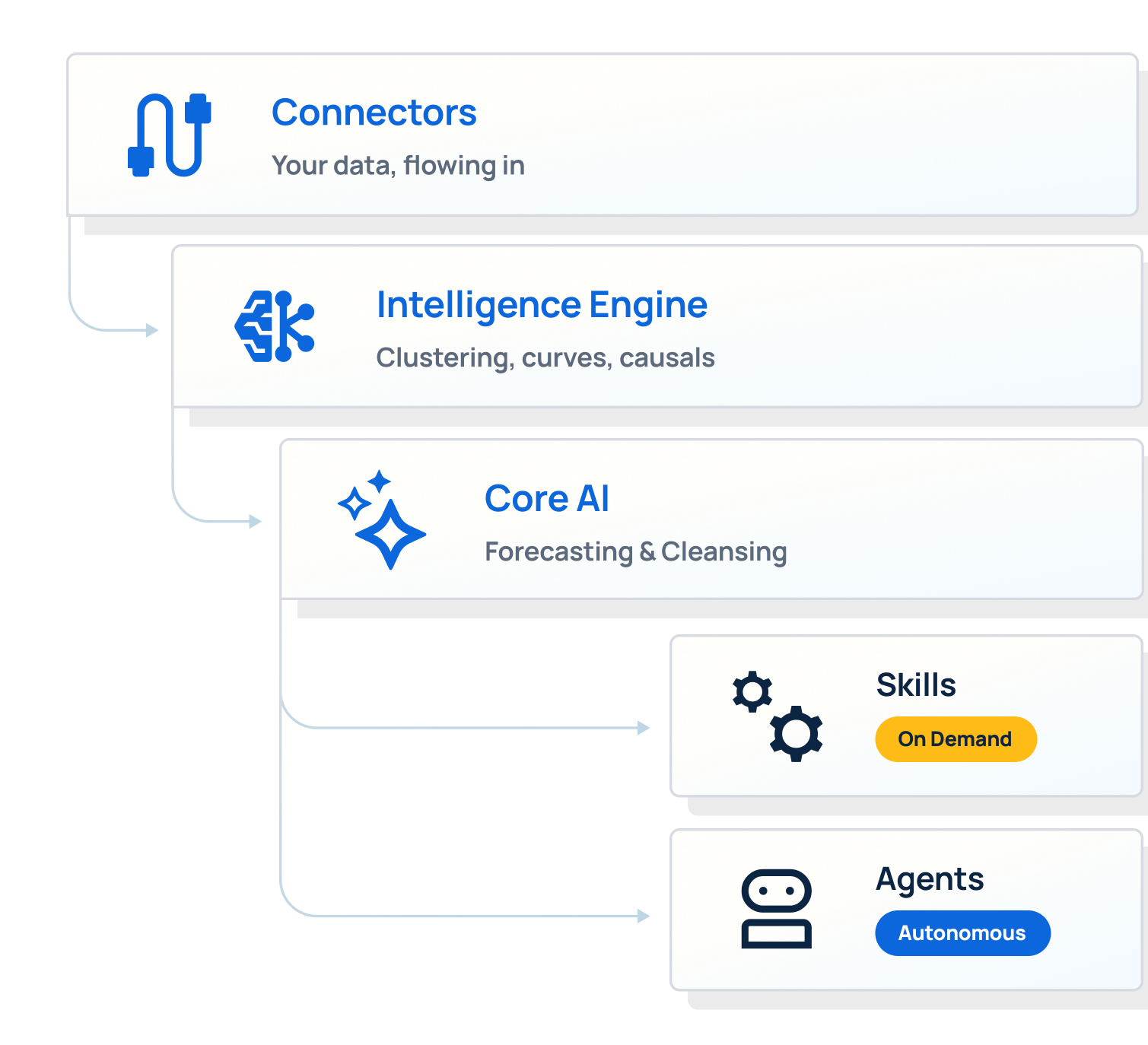
screenshot of toolio's four AI layers and capabilities

Plan Smarter with Toolio AI

Toolio’s AI consists of four progressive layers: the intelligence that makes it relevant, the models that make it valuable, the skills that make it actionable, and the agents that execute it. All are accessible directly in Toolio via Tooli, our AI Planning Assistant, and through our MCP Server surfaces.

Two ways to engage - Plugged into every corner

Engagement Layers

tooli ai icon

Tooli

AI Planning Asistant
toolio mcp server icon

Toolio MCP Server

Model Context Protocol
01

Intelligence

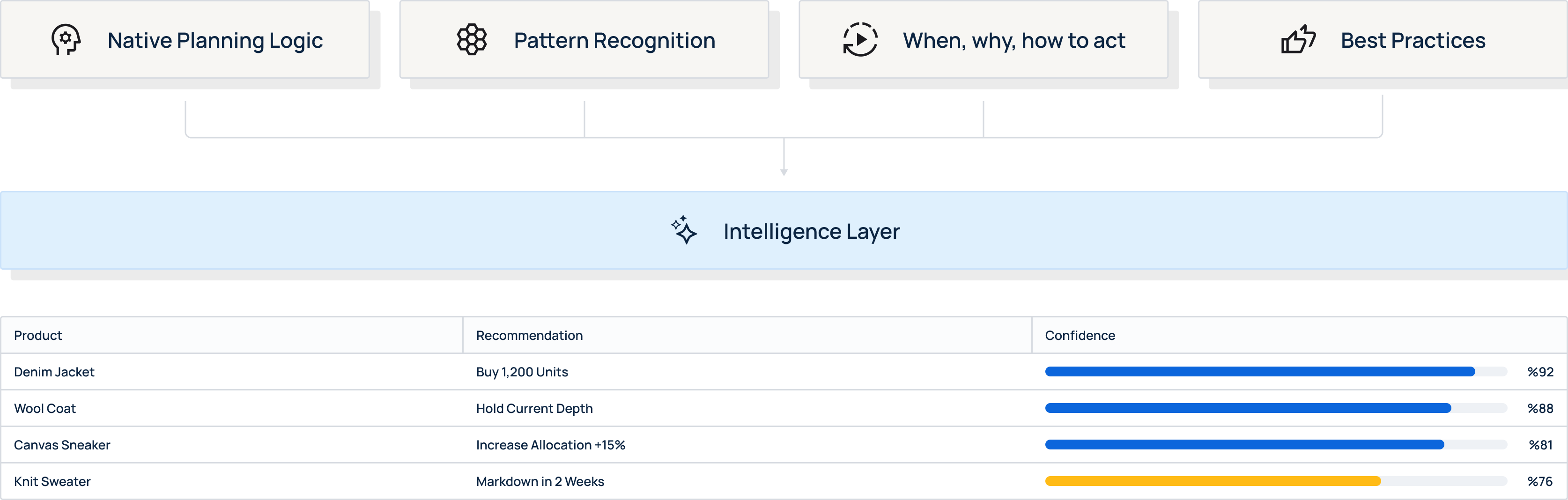
Built on deep retail intelligence, so every buying decision is backed by the kind of insight that only comes from knowing retail inside and out.

icon showing structural ai intelligence
Structural
Native Planning Logic
icon for historical ai intelligence
Historical
Continuos Value Growth
icon showing workflow ai intelligence
Workflow
When, Why and How to Act
icon showing collective ai intelligence
Collective
Network Best Practices
screenshot of toolio's ai intelligence layer
02

Core AI

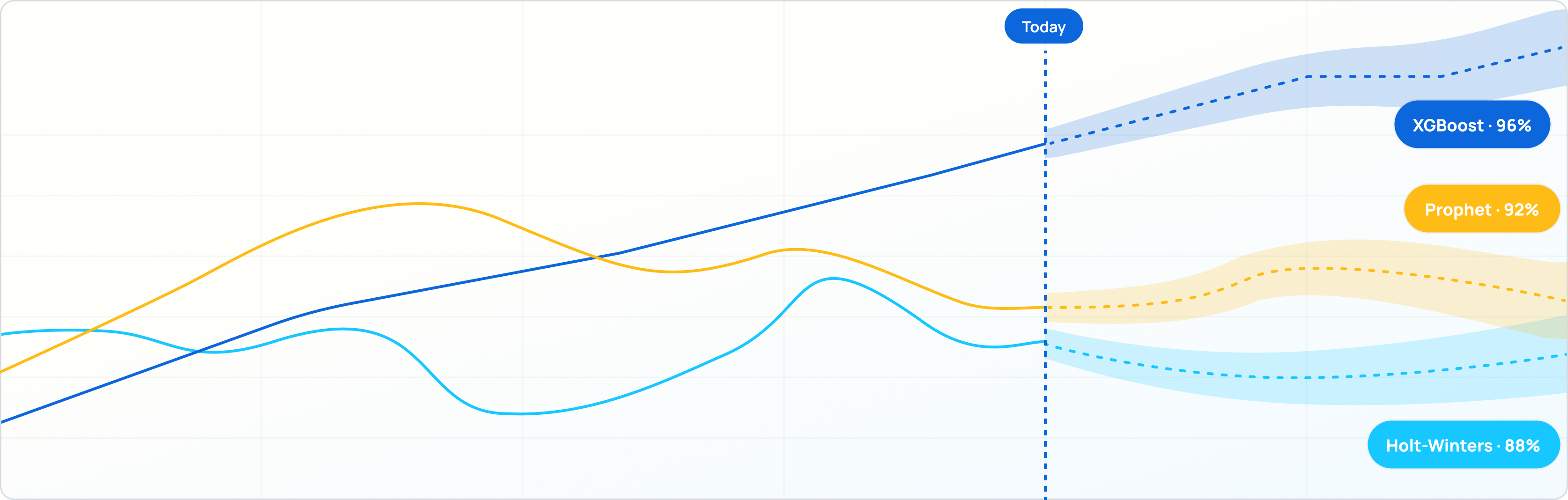
Retail-tuned models you can defend. Every number explainable, every recommendation auditable, sharper every season.

icon showing ai forecasting engine
Forecasting Engine
icon showing ai forecasting confidence scoring
Confidence Scoring
Workflow
icon showing ai store clustering
Store Clustering
icon showing size and depth optimization
Size & Depth Optimization
icon showing price and promo elasticity
Price & Promo Elasticity
icon showing "more" ai tuned models
and More
screenshot of how toolio's tournament forecasting works
03

Skills

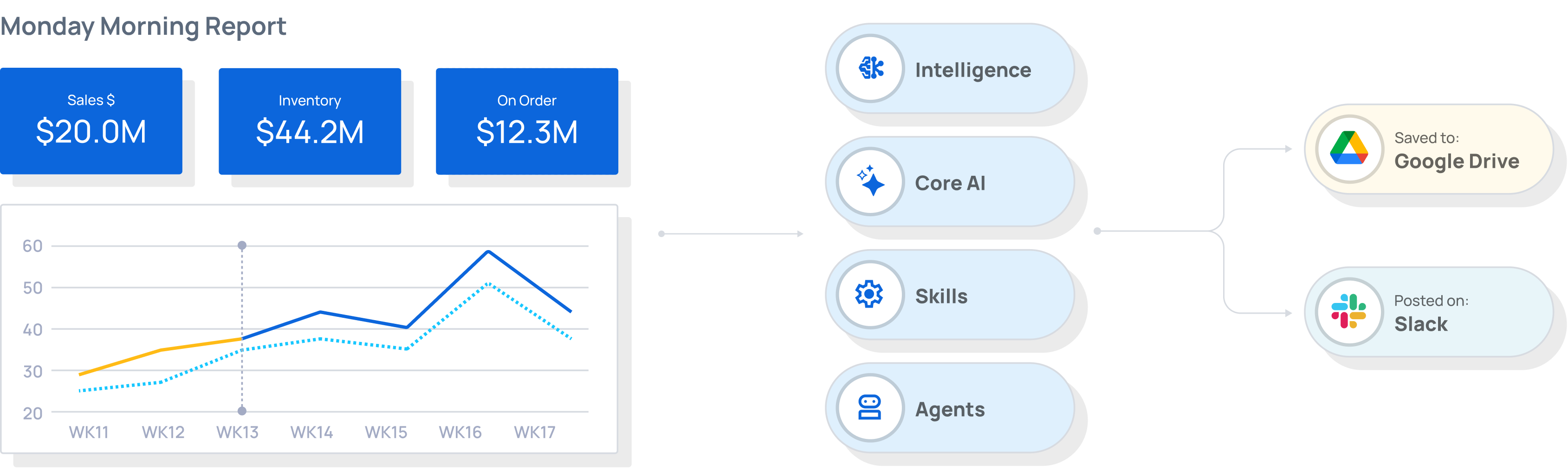
Skills are purpose-built playbooks that teach toolio exactly how your retail business operates, so every plan, analysis and recommendation follows your team’s logic.

icon showing monday morning report tooling
Monday Morning Report
icon showing thinking about quarterly business review
Quarterly Business Review
icon showing chart for allocation review
Allocation Review
icon showing "more" toolio ai skills
and More
screenshot depicting toolio's ai skills, monday morning report
04

Agents

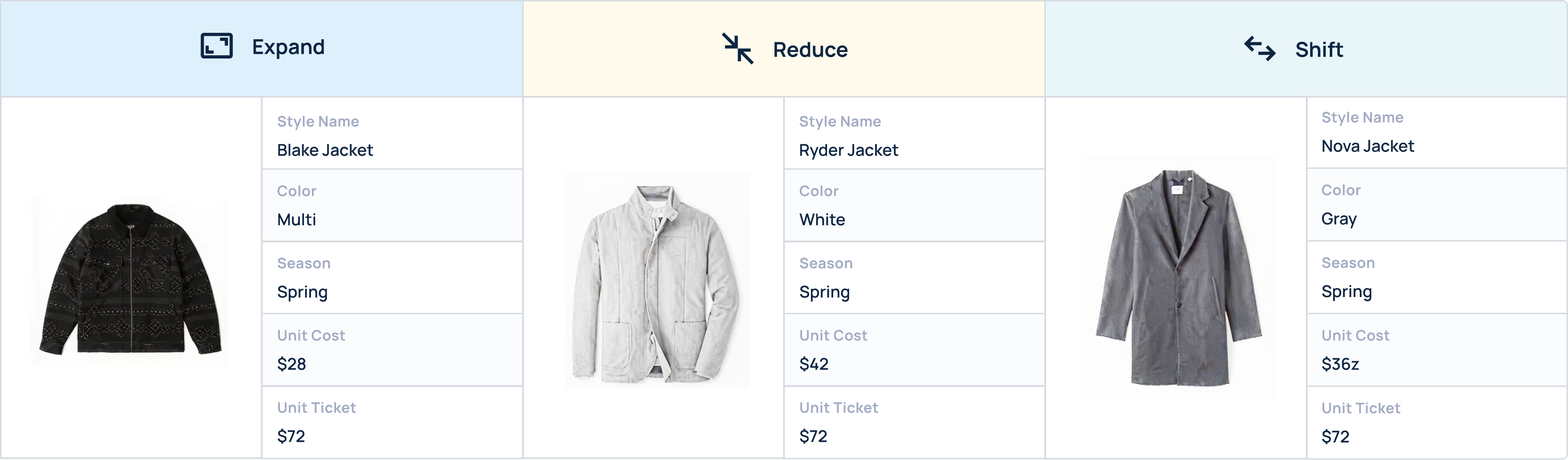
A pre-configured setup that bundles the right data, logic and workflows together so Toolio can run your planning tasks autonomously in a fraction of the time.

icon showing tools for ai agent data fixing
Data fixing
icon showing thinking for opportunity execution
Opportunity Execution
icon showing image for visual assortment builder agent
Visual Assortment Builder
icon showing "play" for attribution automation
Attribution Automation
Presentation Generator
icon showing wrap around for scenario agent
Scenario Simulator
and More
screenshot of toolio's opportunity AI agent, showing expand, reduce, shift
Merchandise Plan dashboard screenshot

See Toolio in Action

The best way to understand what Toolio could do for your team is to start a conversation.

Frequently Asked Questions

What makes Toolio's AI different from other retail planning tools?

Three things. First, tournament forecasting. Toolio runs multiple forecast models against your data simultaneously and selects the most accurate one for each product or category. You're not locked into a single model that works better for some parts of your business than others. Second, explainability. Every recommendation shows the reasoning behind it, so your team can interrogate the output, not just accept or reject it. Third, it's trained on retail-specific patterns: promotions, markdowns, stockouts, seasonal shifts, not adapted from a generic forecasting engine.

Is Toolio AI included, or a paid add-on?

Included. Core AI capabilities, AI Agents, and the MCP Server are part of the modules you license, not separate line items, not a higher tier. If you license Merchandise Planning, you get the forecasting, cleansing, and rationalization that run inside it. If you license Assortment Planning, you get the agents that work on top of it.

How is Toolio AI structured?

In four layers, plus connectors. The Intelligence layer is the retail foundation: native planning logic, historical patterns, and network best practices. Core AI is the retail-tuned model layer that powers forecasting, confidence scoring, store clustering, and size and depth optimization, with every number explainable and auditable. Skills are purpose-built playbooks that teach Toolio how your business operates, like a Monday Morning Report or Quarterly Business Review. Agents run planning tasks autonomously, from data fixing to scenario simulation. Connectors, including the Toolio MCP Server and the Tooli assistant, plug all of it into your existing tools.

How accurate are Toolio's AI forecasts?

Accurate enough to act on and it improves over time. Models are tuned during onboarding using your historical data, then retrained weekly or monthly depending on the use case. Daily data syncs keep forecasts current as actuals come in. The system accounts for promotions, markdowns, one-time events, and out-of-stocks, the anomalies that break standard models. And because overrides are fed back into the model, accuracy improves the longer your team uses it.

Will this replace my planning team?

No, and it's not designed to. Toolio keeps planners in control. Every forecast, recommendation, and agent output can be inspected, adjusted, and overridden. Your team makes the final call on every buy decision, transfer, and replenishment. The AI handles the calculation work: running models, flagging exceptions, generating scenarios, so planners spend less time on the mechanics and more time on the judgment calls that actually require their expertise. The goal is fewer hours on spreadsheet reconciliation, not fewer planners.

Is our data secure?

No, and it's not designed to. Toolio keeps planners in control. Every forecast, recommendation, and agent output can be inspected, adjusted, and overridden. Your team makes the final call on every buy decision, transfer, and replenishment. The AI handles the calculation work: running models, flagging exceptions, generating scenarios, so planners spend less time on the mechanics and more time on the judgment calls that actually require their expertise. The goal is fewer hours on spreadsheet reconciliation, not fewer planners.